Dubai's Resale Market Paradox: Why Investors Are Holding Longer Than Ever
8 min read
The Resale Market Is Not What It Was
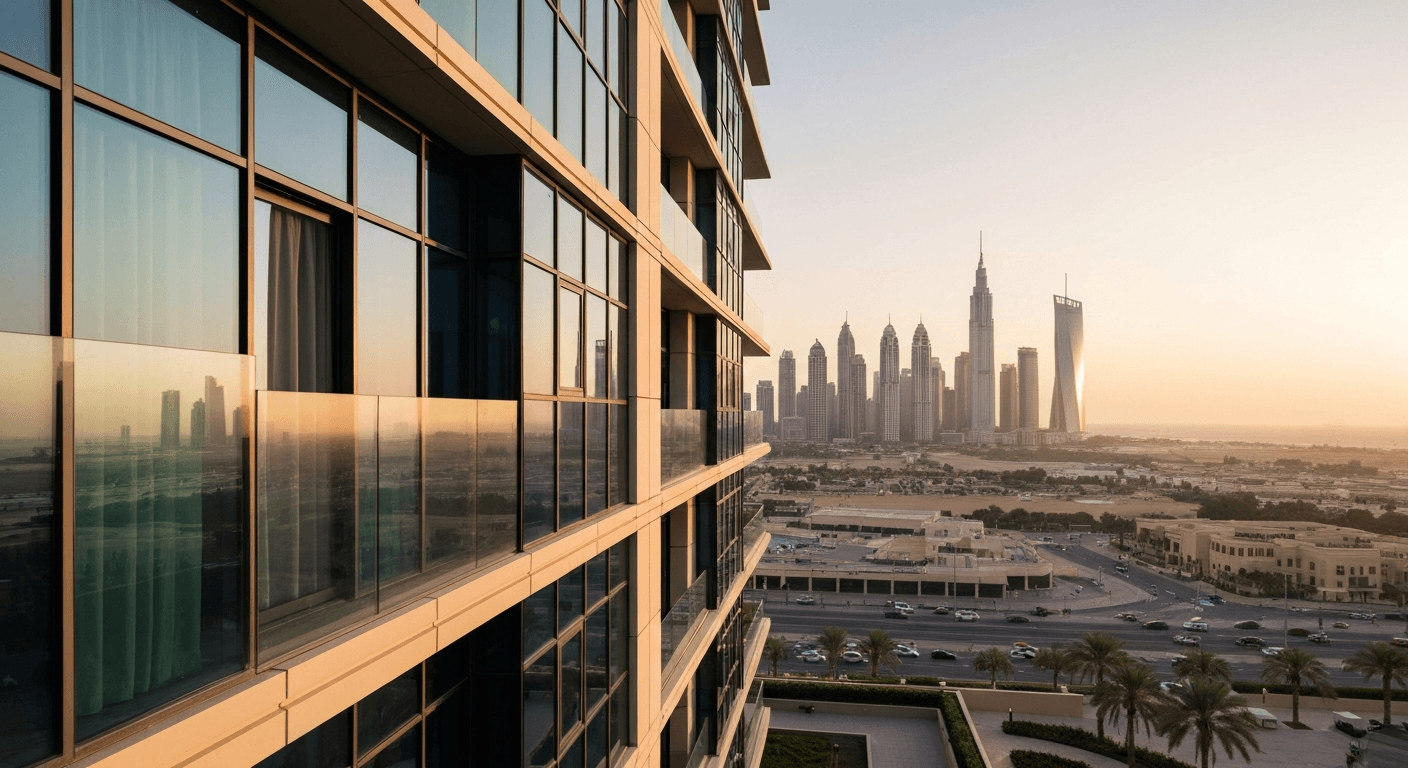
Dubai's resale property market—transactions of existing, completed properties—has undergone a subtle but significant shift in investor behaviour over the past 18 months. While headline transaction volumes remain robust and prices in core areas continue to appreciate, the average holding period for investor-owned resale properties has extended considerably. Owners are no longer cycling through purchases on 3–5 year horizons. Instead, a growing cohort is holding for 7–10 years or longer, or exiting only when specific financial or personal triggers align.
This shift tells a story about confidence, yield expectations, and the changing calculus of Dubai property investment. Understanding it is essential for anyone building or managing a portfolio in 2025.
Why Investors Are Holding Longer
Rental Yields Have Stabilized at Attractive Levels
One of the most underreported facts in Dubai's market is that gross rental yields across established communities have settled into a predictable 4–6% range for freehold residential properties. This is not exceptional by global standards, but it is consistent, transparent, and increasingly accessible to international investors through RERA-registered agents and property management firms.
When yields are reliable and property appreciation is modest but steady, the mathematics favour holding. An investor who purchased a villa or apartment in 2018–2019 and has been collecting rent for six years now faces a dilemma: sell, pay the 4% DLD transfer tax, and redeploy capital into a market where entry prices are 20–30% higher, or continue collecting 5% annual rental income on a fully paid or low-leverage asset.
Many are choosing the latter.
Capital Appreciation Has Become Gradual, Not Dramatic
The era of 15–20% annual price growth in Dubai's residential market has passed. Price appreciation in secondary and tertiary communities now hovers in the 2–5% annual range, while prime downtown and waterfront areas see 3–7% gains in strong years. This is healthy, sustainable growth—but it is not the kind that justifies frequent trading.
When annual appreciation is in the single digits, transaction costs (DLD fees, agent commissions, potential mortgage early repayment penalties) can consume two to three years of gains. Rational investors recognize this and hold.
Regulatory Clarity Has Reduced Perceived Risk
The introduction of strata title reform, transparent rental caps, and RERA's standardized contract templates has reduced the perceived regulatory risk of long-term ownership in Dubai. Investors no longer worry as much about surprise regulatory changes that might trap them in an illiquid asset. This confidence—earned through consistent rule-making over the past three years—has made holding feel safer.
Investors who might have exited preemptively in 2015–2018 (when regulatory clarity was lower) now feel comfortable extending their hold periods.
Golden Visa Holders Are Anchoring Capital
The Golden Visa programme has fundamentally changed the composition of Dubai's investor base. A significant proportion of resale property owners are now long-term residents with Golden Visas, not short-term traders. These investors are holding property not purely for financial return, but as part of a broader residency and wealth-building strategy. They are less price-sensitive and more patient.
This demographic shift has reduced the velocity of resale transactions and extended average holding periods across the market.
What This Means for Portfolio Strategy
Liquidity Has Tightened Slightly
While Dubai's resale market remains liquid compared to most global property markets, the number of motivated sellers has declined. Properties do sell, but they may take longer to find the right buyer, particularly in secondary communities or for properties with non-standard layouts.
For investors building a portfolio in 2025, this suggests:
- Prioritize properties in established, well-understood communities where buyer demand is consistent (JBR, The Marina, Downtown Dubai, Arabian Ranches, Jumeirah Village Circle).
- Avoid niche or highly specialized properties unless you have a specific tenant or buyer profile in mind.
- Budget for a 60–90 day resale timeline, not 30 days.
Off-Plan Remains the Faster Exit Route
One reason resale holding periods have lengthened is that off-plan investors have more exit optionality. Off-plan properties can often be sold to other investors during the construction phase, before completion. This creates a faster, lower-friction exit for those who need one.
If liquidity and flexibility are priorities, off-plan investments in reputable developments (Emaar, Damac, Azizi, MAG) still offer advantages over resale, despite their higher entry costs.
Yield-Focused Investors Are Winning
The shift toward longer holding periods has benefited investors who prioritize rental yield and cash flow over capital appreciation. A 5% gross yield, compounded over 8–10 years with modest price growth, delivers solid total returns. Meanwhile, investors chasing capital gains alone are facing headwinds.
For investors building wealth in Dubai in 2025, a 60–40 split between yield-focused and appreciation-focused assets is increasingly prudent.
What DLD Data and RERA Trends Tell Us
While the Dubai Land Department does not publish average holding period data, the volume of resale transactions relative to new off-plan sales has remained relatively stable, even as the absolute number of completed units in the market has grown. This suggests that resale velocity has indeed slowed—fewer owners are cycling through their properties.
RERA's transaction data also shows that repeat buyers (investors with multiple properties) are now more likely to hold their earlier purchases while acquiring new ones, rather than selling earlier assets to fund new purchases. This portfolio-stacking behaviour is another indicator of longer holding horizons.
The Bottom Line
Dubai's resale market is not broken or illiquid. It is simply maturing. Investors with realistic yield expectations, a 7–10 year horizon, and a willingness to hold through modest price cycles are the ones thriving. Those still expecting 15% annual returns or planning 3-year exit cycles are likely to be disappointed.
For 2025, the resale market rewards patience, disciplined tenant selection, and a focus on cash flow. Speculation has given way to portfolio-building.
How Idigov Group Can Help
At Idigov Group, we help investors navigate this evolved resale landscape through detailed yield analysis, community-by-community performance benchmarking, and transparent advice on holding vs. exiting decisions. Whether you are evaluating a resale purchase, managing an existing portfolio, or planning a multi-property strategy, our RERA-certified team provides the data-driven guidance you need to make confident decisions aligned with your timeline and return expectations.
Press Contacts
About Idigov Group
Idigov Group is a Dubai-based real estate consultancy and operating group offering end-to-end services across investment advisory, brokerage, property management, conveyancing, and corporate setup. Founded by Akhmed Idigov, the group helps international investors and operators navigate the UAE property market with institutional-grade rigor and full operational support.