Dubai Rental Market 2025: Why Tenant Demand Outpaces Supply
6 min read
The Supply-Demand Imbalance Reshaping Dubai's Rental Market
Dubai's rental market has entered a new phase. Unlike the investment cycles of recent years—dominated by off-plan launches and secondary community freehold sales—2025 is being defined by a fundamental shortage of available rental units relative to tenant demand.
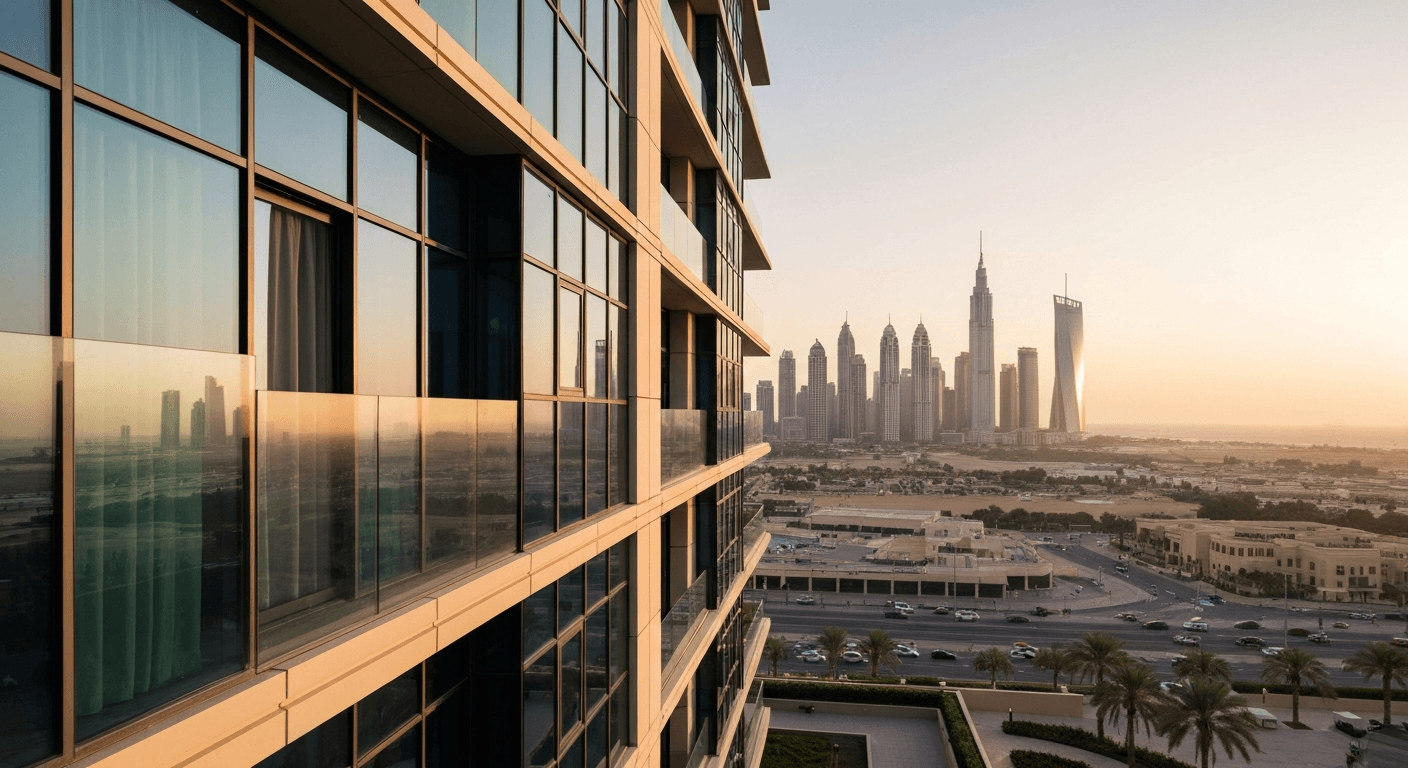
Data from the Dubai Land Department (DLD) and rental platforms tracking active listings suggest that core communities including Downtown Dubai, Marina, JBR, and Business Bay are experiencing occupancy rates above 95%, with minimal inventory turnover. This tightness is not accidental; it reflects structural changes in Dubai's resident population, visa policies, and corporate relocation patterns.
Why Tenant Demand Has Accelerated
Several converging factors explain the current rental pressure:
Golden Visa Expansion and Residency Growth
The UAE's Golden Visa program, introduced in 2020 and expanded in 2021, has created a new class of long-term residents who require stable housing. Unlike short-term contract workers, Golden Visa holders and their families typically sign multi-year leases and prioritize established communities with schools, healthcare, and amenities. This cohort has grown substantially, and their housing demand is not temporary.
Corporate Relocation and Remote Work Hubs
Global companies have accelerated their Middle East operations in Dubai, particularly in fintech, logistics, and consulting. These firms either relocate employees or hire locally, both of which drive rental demand. Additionally, Dubai's positioning as a remote-work-friendly hub has attracted digital nomads and international professionals who prefer furnished or semi-furnished rentals in well-connected areas.
Reduced Investor Conversions to Owner-Occupancy
Historically, a portion of Dubai's rental stock came from investors who eventually became owner-occupants, freeing up rental units. In 2024–2025, with off-plan purchase prices stabilizing and ready property valuations rising, fewer investors have liquidated positions to live in their own properties. Instead, they are holding and renting out, further constraining supply.
The Supply Side: Why New Units Aren't Keeping Pace
While Dubai's development pipeline remains robust, new supply is not arriving fast enough to meet rental demand:
- Off-plan completions are concentrated in secondary communities (Expo City, Dubai South, Arabian Ranches 3) rather than in high-demand rental hubs like Marina or Downtown.
- New projects often target owner-occupants or investors seeking capital appreciation, not rental yield. Developers market off-plan units as investment assets, not rental stock.
- Conversion lag: Even when new buildings complete, leasing platforms require time to list units, and some investors hold before renting, creating a lag between completion and market availability.
What This Means for Landlords and Yield Investors
Rental yields in core communities are compressing not because rents are falling, but because property prices have risen faster than rental income. However, tenant competition for units is creating favorable conditions for landlords willing to manage professionally.
Rental Rate Dynamics
Annual rental increases in established communities are running at 5–8% in many segments, reflecting demand pressure. Landlords in Marina, JBR, and Downtown are reporting easier tenant placement and shorter vacancy periods. However, these gains are partially offset by rising property valuations; a property purchased at AED 2.5 million in 2023 may now be valued at AED 2.8–3.0 million, diluting the yield calculation.
Professional Management is Now an Asset
With tenant demand high, landlords who invest in professional property management—through licensed agents or management companies—are achieving faster leasing, better tenant screening, and higher rental rates. RERA-licensed property managers are increasingly seen as essential, not optional, for serious rental investors.
Tenant Retention and Service Quality Matter
Because good tenants are harder to replace, landlords are increasingly willing to negotiate on minor maintenance issues, offer flexible lease terms, or provide furnished/semi-furnished options to secure long-term occupants. This shift favors professional, responsive landlords over absentee investors.
The Geographic Divide
Rental market dynamics vary sharply by location:
- Core Communities (Marina, Downtown, JBR, Business Bay): High occupancy, rising rents, strong tenant demand, limited supply. Yields are lower but stability is high.
- Secondary Communities (Arabian Ranches, Emirates Living, Jumeirah Golf Estates): New supply is arriving, occupancy is healthy but not stretched, rents are stable. Yields are competitive.
- Emerging Communities (Dubai South, Expo City, Damac Hills 2): New supply is abundant, tenant demand is growing but not yet saturated, rents are moderate. Yields are attractive for investors with longer time horizons.
What Investors Should Consider Now
If seeking yield today: Secondary and emerging communities offer better rental returns because new supply is available and tenant demand is strong but not yet competitive. A property in Expo City or Arabian Ranches may yield 4.5–5.5%, compared to 3.0–4.0% in Marina.
If prioritizing capital appreciation and long-term hold: Core communities remain attractive despite lower current yields, because tenant demand will likely support price stability and gradual appreciation as supply remains constrained.
If entering the market: Understand your exit strategy. If you plan to rent, buy in a community with strong tenant demand and professional property management infrastructure. If you plan to sell within 5–7 years, focus on communities with mixed buyer and renter demand.
The Regulatory Backdrop
RERA's rental dispute resolution framework and the standardized tenancy contract have created a more predictable environment for both landlords and tenants. This clarity has contributed to the professionalization of the market; tenants are more willing to sign longer leases, and landlords are more confident in enforcement. However, RERA also limits rent increases to a percentage tied to market conditions, which caps upside but protects long-term planning.
Looking Ahead
The rental supply-demand imbalance is likely to persist through 2025 and into 2026, as new completions in secondary communities will take time to absorb tenant overflow from core areas. Investors focused on rental income should prioritize professional management, diversify across 2–3 communities rather than concentrating in one, and understand that rental yields are now a more nuanced calculation that factors in property appreciation, tenant stability, and management efficiency.
At Idigov Group, we help both landlords and yield-focused investors navigate this dynamic market. Whether you're evaluating a property for rental potential, structuring a portfolio across multiple communities, or optimizing your existing rental assets, our investment advisory and property management teams provide data-driven guidance tailored to your financial goals and time horizon.
Press Contacts
About Idigov Group
Idigov Group is a Dubai-based real estate consultancy and operating group offering end-to-end services across investment advisory, brokerage, property management, conveyancing, and corporate setup. Founded by Akhmed Idigov, the group helps international investors and operators navigate the UAE property market with institutional-grade rigor and full operational support.